

The Four Deadly “Ds”
Confrontation. The word alone, can make people cringe. It is often something we know we need to do but are reluctant and we try to avoid. Some think a confrontation HAS to be angry, and someone HAS to take blame.
No one wants to get blamed.
No one wants another person to feel badly because of a problem that needs facing.
But difficult conversations are often necessary. Without them needs are not met, obligations not fulfilled, and resentments can build.
Bringing up a difficult problem can be uncomfortable. (You see I don’t even like to use the word ‘confrontation’).
I craft a story about what the other person will say. And then I imagine, what I will say… and then what they will say… and it is only a story in my mind.
I even try to talk myself out of bringing up the topic or issue to avoid the confrontation. Even the dictionary definition is scary.
The Apple dictionary includes these:
come face to face with (someone) with hostile or argumentative intent
face up to and deal with (a problem or difficulty):
compel (someone) to face or consider something, especially by way of accusation:
And notice the word “face” in each entry! Not to mention, “in your face”, “can’t face it”.
I am a student of Compassionate Communication or Non-Violent Communication. Marshal Rosenberg developed it in the 70’s.
He had a simple way of bringing an uncomfortable situation to be dealt with. He used,
“I feel…” when (situation)
because (a specific need or value) is important to me.”
“Would you be willing… making a request of the other person. It is such a simple format.
ONLY IT’S NOT EASY.
And then there is the other side of the conversation. How the other person will respond or react. Hopefully it would be with responding, and curiosity, and sound like…“Oh I wasn’t aware of this, tell me more”, or “May I tell you more about this situation?”, or “How can I make it right?”. These are ideal situations.
The 3 D’s: The ways a person might react.
Deny
Defend
Deflect
Denying it, (“No no It wasn’t me”, “I wasn’t there, not my fault”)
Defending it (Becoming defensive, “That’s not true, said,…,” or “I didn’t know…”). (fill in the blank)
Deflecting it, (Changing the subject, for example, “For the staff meeting tonight do you still want me to…”)
When are The Deadly “Ds” likely to happen? Well, if you surprise the person you want to talk with about the issue at hand.
Why? Our “fear centre” gets triggered and we want to freeze (deny it), fight (defend it), or flee (deflect it).
I think I have found a 4th “D”, Don’t Say Anything – I would call this “Dodging it” and walking away.
IF you find yourself in the position of confronting an issue and approach another person with a problem:
Start by stating what happened, the facts,
- Use “I” statements, stating how you are feeling and
owning your part in the problem if you have any
- Tell the person why it is important.
- Ask if the two of you could talk about this.
It is both courageous and difficult to face a problem, yours or someone else’s. Bring up some empathy for that other person. Bring up some empathy for yourself. Both of you have a need for mutuality, connection, and authenticity, consideration. Finding this common starting place will allow you to be present, listen to the words, listen to the intent. And when any one of the Deadly “Ds” show up.
B r e a t h e.
Be open to listen to the person and come to some kind of mutual agreement. Be aware of the 4 Deadly “Ds”. Be ready to be empathetic. Is the person feeling uneasy, or confused, or alarmed? Imagine them wanting respect, even reassurance, peace and harmony. This is extending empathy to the person who is being confronted.
B r e a t h e. Signal your nervous system to be calm.
B r e a t h e. Allow your thoughts to slow down and become present.
B r e a t h e. Give yourself some empathy. This is rigorous work, communicating.
If any of the Deadly “D”s show up, B r e a t h e Try asking, “What’s coming up for you right now. and be ready to LISTEN. I mean really listen. Listen to what they need.
Not sure what needs we all have. Check out these pages for a list of feelings and needs.
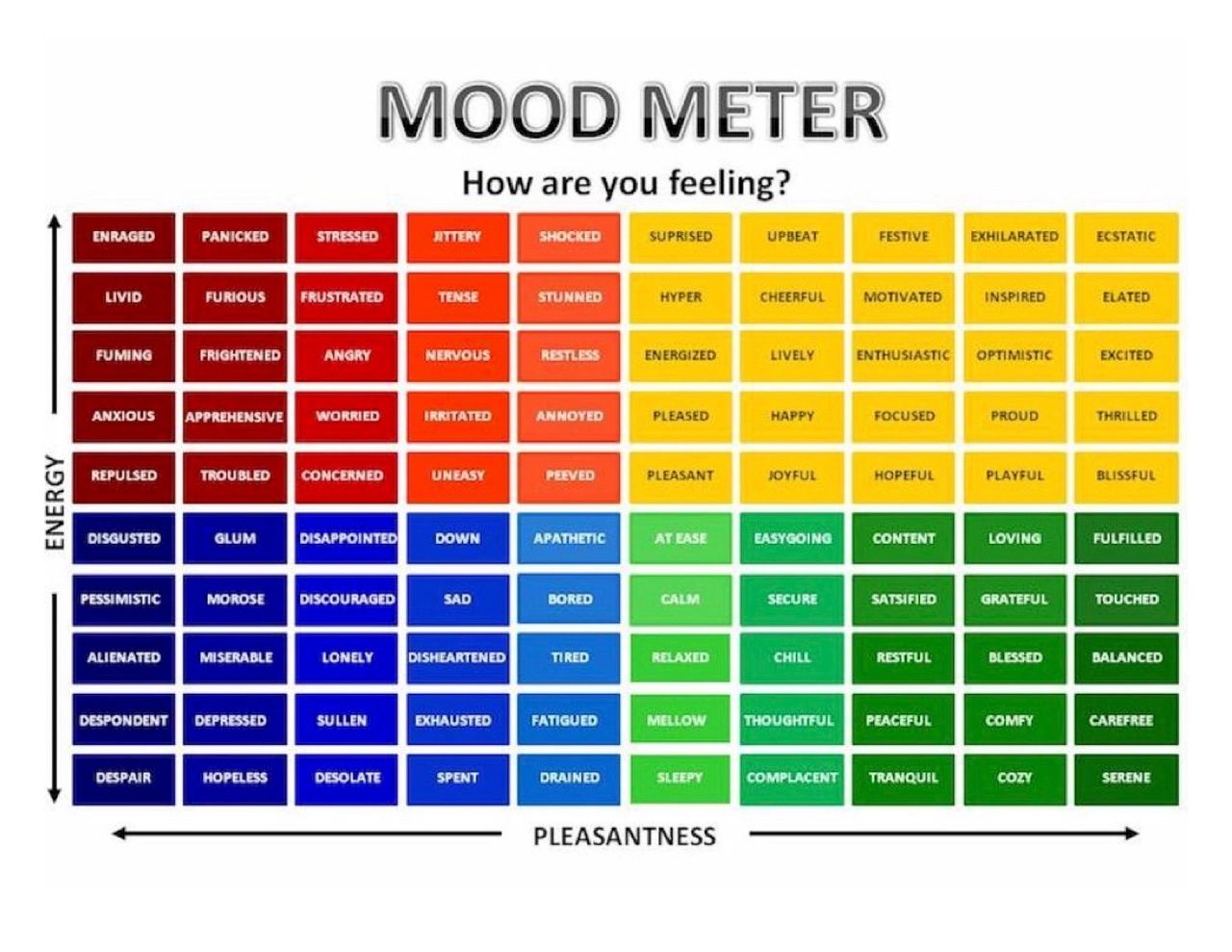
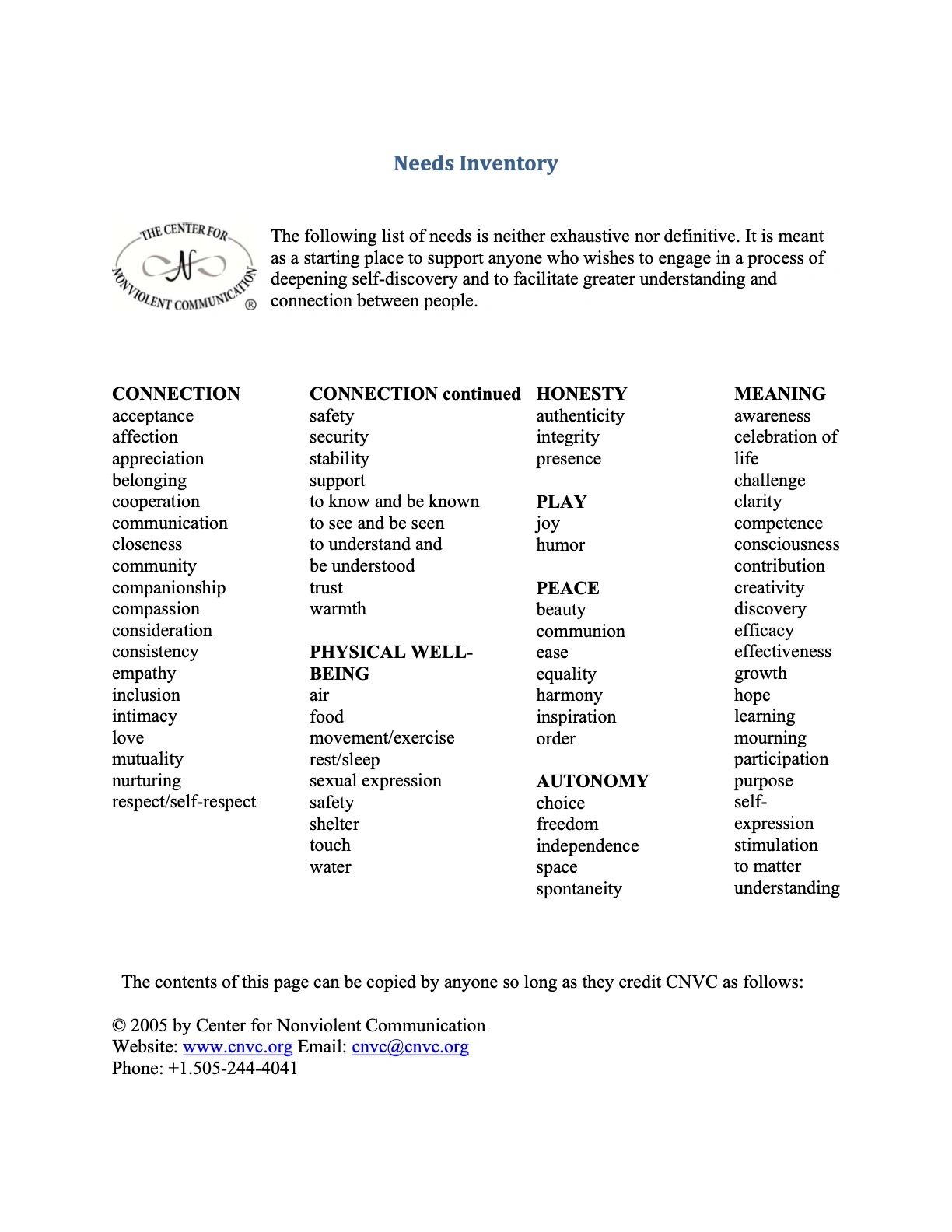
I am always interested in what came up for you when you began reading. Do you have other effective tools in dealing with uncomfortable conversations? You can share them by emailing me at: pamelavannest@pvncoaching.com.
I’d love to get on a call with you to find out more. Here’s the link to my diary. https://calendly.com/pvncoaching/new-vision-call
Until then, may you know the deepest levels of peace….
B r e a t h e
Pam